The Gulf Coast Protection District (GCPD) Board of Directors has approved a new resolution reaffirming the District’s commitment to navigation safety, industry coordination, and broad stakeholder engagement in the design and implementation of the Coastal Texas Project. As the non‑Federal sponsor of key coastal storm risk management components of this landmark effort, GCPD continues to advance one of the most significant resilience investments in U.S. history.
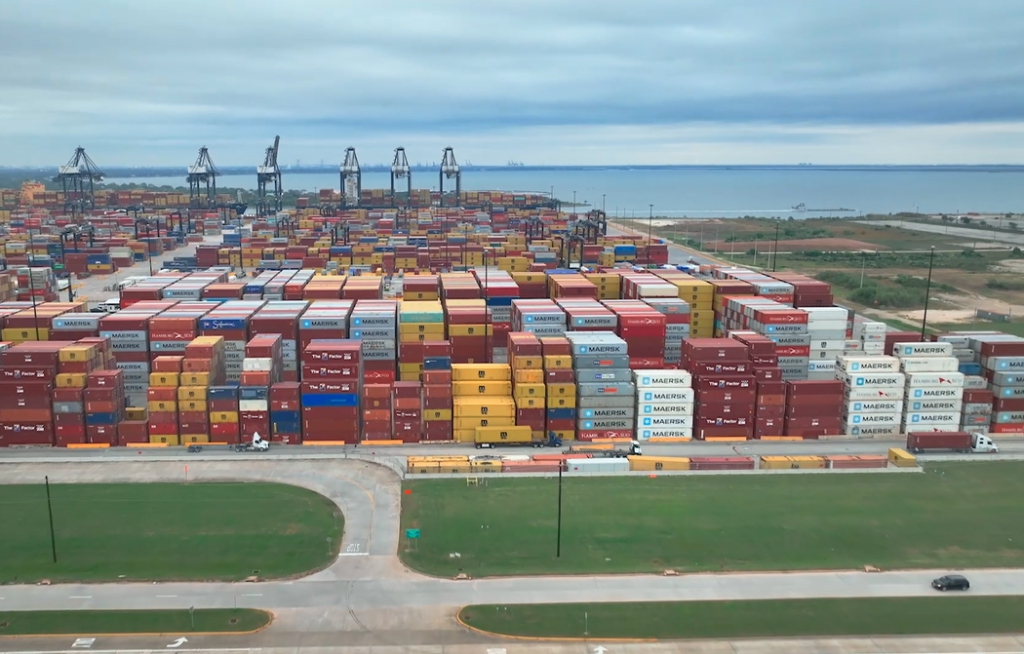
The Coastal Texas Project encompasses a suite of large‑scale storm risk reduction features, including “The Gate” (Bolivar Roads Gate System)—an engineering undertaking that will directly interface with one of the busiest and most economically vital waterways in the nation. As home to the Houston Ship Channel and a robust network of ports, terminals, petrochemical facilities, and maritime operations, the greater Gulf Coast region functions as an economic engine for Texas and the United States.
Maintaining safe, reliable, two‑way vessel traffic is not simply a priority; it is foundational to the region’s prosperity.
The Board’s resolution reinforces this principle by directly acknowledging the statutory requirements that govern GCPD’s work. State law is clear: implementation of any coastal storm risk management feature may not disrupt navigation safety or impede two‑way traffic in a manner inconsistent with rules adopted by the Board of Pilot Commissioners for Harris County ports. Likewise, the District must develop any barrier‑related closure procedures in close coordination with maritime pilots, port authorities, navigation and drainage districts, and—where required—common carrier terminal railroads.
“This resolution reflects a shared understanding across Texas’ maritime community: infrastructure that protects the region from storm surge must also preserve safe navigation and ensure continuity of commerce,” said Coalter Baker, executive director of GCPD. “The Board’s resolution commits the District to that balanced approach. It affirms GCPD’s ongoing collaboration with the U.S. Army Corps of Engineers (USACE), industry leaders, environmental stakeholders, maritime pilots, and coastal communities as engineering and design efforts progress.”
This coordination is already taking shape through technical working groups, navigation modeling, iterative design refinements, and proactive engagement with local partners. The resolution strengthens that framework by making clear that transparency and stakeholder input will remain central to the process.
The Board’s action reflects both the complexity of this project and the unity of purpose behind it. By putting navigation safety and stakeholder coordination at the forefront, GCPD continues to lay the groundwork for an effective, responsible, and sustainable implementation of the Coastal Texas Project.